

Hemorrhoid Banding, Hepatitis B & Hepatitis C – Understanding Treatment & Liver Health
 by admin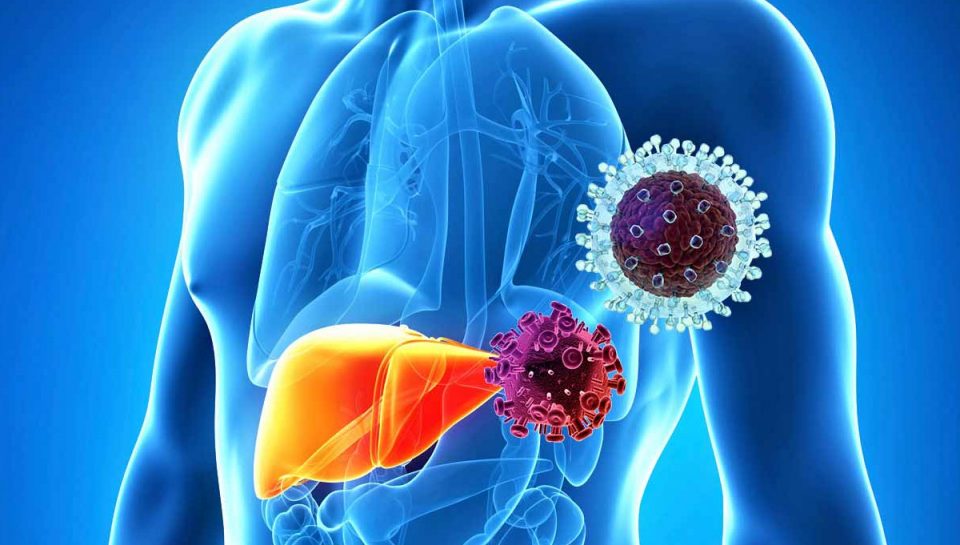
Digestive and liver-related conditions are more common than many people realize, yet they are often misunderstood or ignored until symptoms become severe. Treatments like hemorrhoid banding provide effective relief for painful anorectal conditions, while awareness of Hepatitis B & Hepatitis C is essential for protecting long-term liver health. Clinics like Huy N. Trinh, MD GI Clinic focus on educating patients and offering advanced care for both gastrointestinal and liver-related diseases.
Hemorrhoids are swollen veins in the rectum or anus that can cause discomfort, itching, pain, and bleeding. When lifestyle changes and medications fail to provide relief, hemorrhoid banding—also known as rubber band ligation—becomes a highly effective treatment option. This minimally invasive procedure involves placing a small rubber band around the base of the hemorrhoid, cutting off its blood supply. As a result, the hemorrhoid shrinks and eventually falls off within a few days to a week.
One of the biggest advantages of hemorrhoid banding is that it is quick and typically performed in a doctor’s office without the need for major surgery. The procedure usually takes only a few minutes and requires minimal downtime, allowing patients to return to their normal routine shortly after.
Patients who benefit most from hemorrhoid banding are those with internal hemorrhoids that do not respond to home treatments such as increased fiber intake or topical medications. The procedure is widely regarded as safe and effective, with a relatively low risk of complications when performed by experienced specialists.
While hemorrhoid banding addresses a localized digestive issue, Hepatitis B & Hepatitis C are viral infections that affect the liver and can have serious long-term consequences if left untreated. Hepatitis B is a liver infection caused by a virus that can be transmitted through blood, bodily fluids, or from mother to child during birth. It can lead to both acute and chronic disease, increasing the risk of cirrhosis and liver cancer.
Similarly, Hepatitis C is another viral infection that primarily spreads through contact with infected blood. Like Hepatitis B, it may not show symptoms in its early stages, making regular screening and early detection extremely important. Over time, chronic Hepatitis C can cause severe liver damage, including fibrosis, cirrhosis, and even liver failure.
Prevention and early diagnosis play a key role in managing both conditions. Vaccination is available and highly effective for Hepatitis B, while Hepatitis C can often be treated with antiviral medications that may cure the infection. Maintaining good hygiene, avoiding unsafe injections, and undergoing regular medical checkups are essential preventive measures.
Combining awareness of digestive health and liver diseases allows patients to take a proactive approach to their well-being. Whether it’s seeking treatment for hemorrhoids through banding or getting tested for viral hepatitis, early intervention can significantly improve outcomes.
In conclusion, hemorrhoid banding offers a fast, minimally invasive solution for hemorrhoid relief, while understanding Hepatitis B & Hepatitis C is critical for long-term liver health. By consulting experienced professionals and staying informed, patients can manage these conditions effectively and maintain a healthier, more comfortable life.