
Understanding Upper Endoscopy (EGD) and Hepatitis B & Hepatitis C for Better Digestive Health
 by admin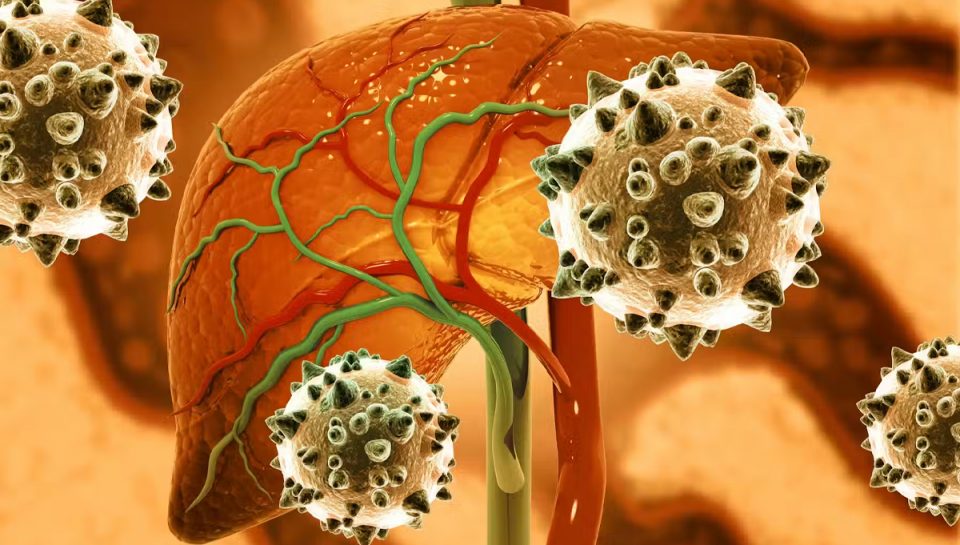
Maintaining digestive health is essential for overall well-being, and modern medicine offers advanced tools to diagnose and manage a wide range of gastrointestinal conditions. Procedures like upper endoscopy or EGD and the proper understanding of infections such as Hepatitis B & Hepatitis C play a vital role in early detection, treatment, and long-term health management. Clinics like Huy N. Trinh, MD Gastroenterology provide specialized care to help patients stay informed and healthy.
What Is an Upper Endoscopy (EGD)?
An upper endoscopy or EGD (esophagogastroduodenoscopy) is a minimally invasive procedure used to examine the upper part of the digestive tract. This includes the esophagus, stomach, and the beginning of the small intestine (duodenum).
During the procedure, a thin, flexible tube with a camera (endoscope) is gently inserted through the mouth. This allows the doctor to visually inspect the digestive lining and identify issues such as:
- Acid reflux or GERD
- Ulcers or inflammation
- Swallowing difficulties
- Bleeding in the upper GI tract
- Abnormal growths or tumors
An EGD is typically quick, safe, and performed under sedation for patient comfort. It is one of the most effective diagnostic tools for identifying gastrointestinal problems early.
Why Is an EGD Important?
Early diagnosis is key to preventing serious complications. An upper endoscopy helps detect conditions before they worsen, allowing for timely treatment. It can also be used to take biopsies, remove polyps, or treat certain conditions during the same procedure.
At Huy N. Trinh, MD Gastroenterology, patients receive comprehensive evaluations using advanced diagnostic techniques to ensure accurate results and personalized care.
Understanding Hepatitis B & Hepatitis C
Hepatitis B & Hepatitis C are viral infections that primarily affect the liver. If left untreated, they can lead to serious health complications, including liver damage, cirrhosis, and even liver cancer.
Hepatitis B
Hepatitis B is transmitted through contact with infected blood, bodily fluids, or from mother to child during childbirth. It can be acute (short-term) or chronic (long-term). Vaccination is available and highly effective in preventing infection.
Hepatitis C
Hepatitis C is mainly spread through blood-to-blood contact, often through shared needles or unscreened blood transfusions in the past. Unlike Hepatitis B, there is currently no vaccine, but modern treatments can cure most cases.
Symptoms and When to Seek Help
Many people with Hepatitis B & Hepatitis C may not experience symptoms in the early stages. However, as the disease progresses, symptoms may include:
- Fatigue
- Jaundice (yellowing of the skin and eyes)
- Abdominal pain
- Nausea or loss of appetite
- Dark urine
If you experience any of these symptoms or have risk factors, it’s important to consult a specialist for testing and diagnosis.
The Connection Between Digestive Health and Liver Disease
While an upper endoscopy or EGD primarily examines the digestive tract, it can also help identify complications related to liver disease, such as varices (enlarged veins) in the esophagus caused by advanced liver conditions.
Combining diagnostic procedures with proper screening for Hepatitis B & Hepatitis C allows healthcare providers to develop a complete picture of your digestive and liver health.
Why Choose Specialized Gastroenterology Care?
Working with experienced specialists ensures accurate diagnosis and effective treatment plans. Huy N. Trinh, MD Gastroenterology offers:
- Advanced diagnostic procedures like EGD
- Comprehensive liver disease screening
- Personalized treatment plans
- Patient-focused care and education
Final Thoughts
Understanding procedures like upper endoscopy or EGD and conditions such as Hepatitis B & Hepatitis C is essential for maintaining long-term health. Early detection, regular screenings, and professional care can make a significant difference in preventing serious complications.
With expert providers like Huy N. Trinh, MD Gastroenterology, patients can take proactive steps toward better digestive and liver health—ensuring a healthier and more confident future.