


Hemorrhoid Banding, Hepatitis B & Hepatitis C
 by admin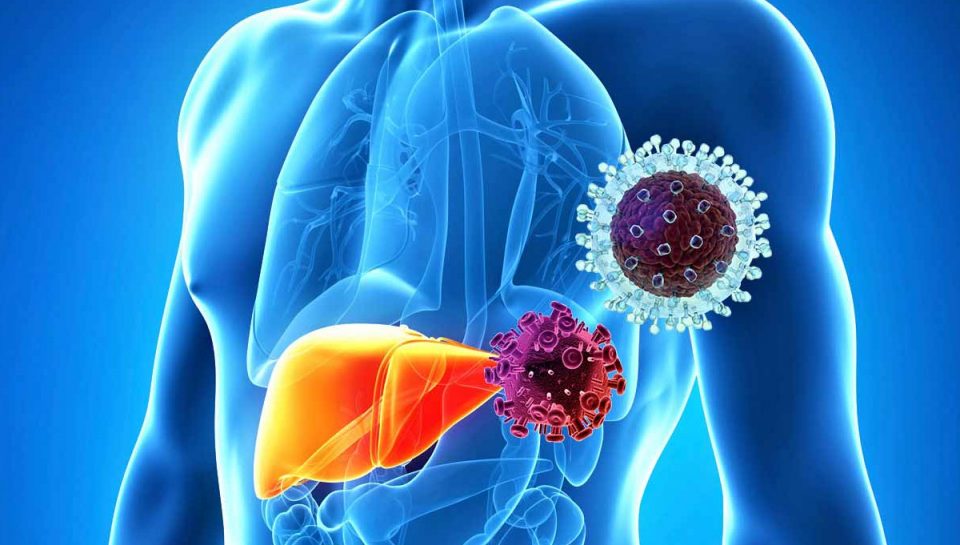
Health concerns affecting the digestive system and liver are both common and often misunderstood. Procedures like hemorrhoid banding provide relief from painful conditions, while awareness of Hepatitis B & Hepatitis C is crucial for long-term liver health. Understanding both topics helps patients make informed decisions about their treatment and preventative care.
Hemorrhoid Banding: A Safe and Effective Solution
Hemorrhoids are swollen veins in the rectal or anal area, often causing discomfort, itching, and bleeding. For patients with persistent or severe symptoms, hemorrhoid banding is a minimally invasive procedure that offers effective relief.
During the procedure, a small elastic band is placed around the base of the hemorrhoid, cutting off its blood supply. Over time, the hemorrhoid shrinks and eventually falls off, usually within a few days. Hemorrhoid banding is typically done in a doctor’s office, requires little downtime, and has a high success rate.
Benefits of hemorrhoid banding include:
- Quick and relatively painless procedure
- Minimal recovery time compared to surgery
- Effective for internal hemorrhoids that don’t respond to other treatments
- Low risk of complications when performed by a qualified professional
Patients are often advised to follow up with their healthcare provider to monitor recovery and discuss lifestyle changes that may prevent recurrence.
Hepatitis B & Hepatitis C: Protecting Your Liver Health
While hemorrhoid banding addresses a localized issue, Hepatitis B & Hepatitis C affect the liver and can have serious long-term consequences if untreated. Both are viral infections that may be asymptomatic in early stages but can lead to chronic liver disease, cirrhosis, or liver cancer over time.
Key facts about Hepatitis B & Hepatitis C include:
- Hepatitis B: Spread through contact with infected blood or body fluids; a safe and effective vaccine is available.
- Hepatitis C: Primarily transmitted through blood-to-blood contact; there is currently no vaccine, but antiviral treatments can cure the infection in most cases.
- Regular screening is crucial, especially for individuals with risk factors such as past blood transfusions, IV drug use, or occupational exposure.
Awareness and early detection of these infections are essential for maintaining liver health and preventing complications. Vaccination, safe practices, and regular check-ups play a vital role in prevention and management.
Combining Awareness for Better Health
Both hemorrhoid banding and monitoring for Hepatitis B & Hepatitis C highlight the importance of proactive healthcare. While hemorrhoid treatment addresses immediate discomfort and improves quality of life, liver health awareness helps prevent long-term, potentially life-threatening conditions.
Patients should consult with healthcare professionals to determine the best approach for treatment and prevention. Discussing personal risk factors, treatment options, and lifestyle modifications ensures better outcomes and long-term wellness.
Conclusion
Managing health effectively requires understanding both immediate and long-term risks. Hemorrhoid banding offers a safe, effective solution for hemorrhoid relief, while staying informed about Hepatitis B & Hepatitis C protects liver health. Together, these steps empower patients to take control of their well-being, prevent complications, and maintain a healthier, more comfortable life.